Learning across TomKat Ranch
I spent the first part of my internship working with the ranching, gardening, food systems, and events teams, seeing how different parts of a working ranch and ecosystem fit together. Later, I focused on research and the relationships between producers and institutional buyers, working on several projects that supported regenerative agriculture and helped build those connections.
What I worked on
Learning across the ranch
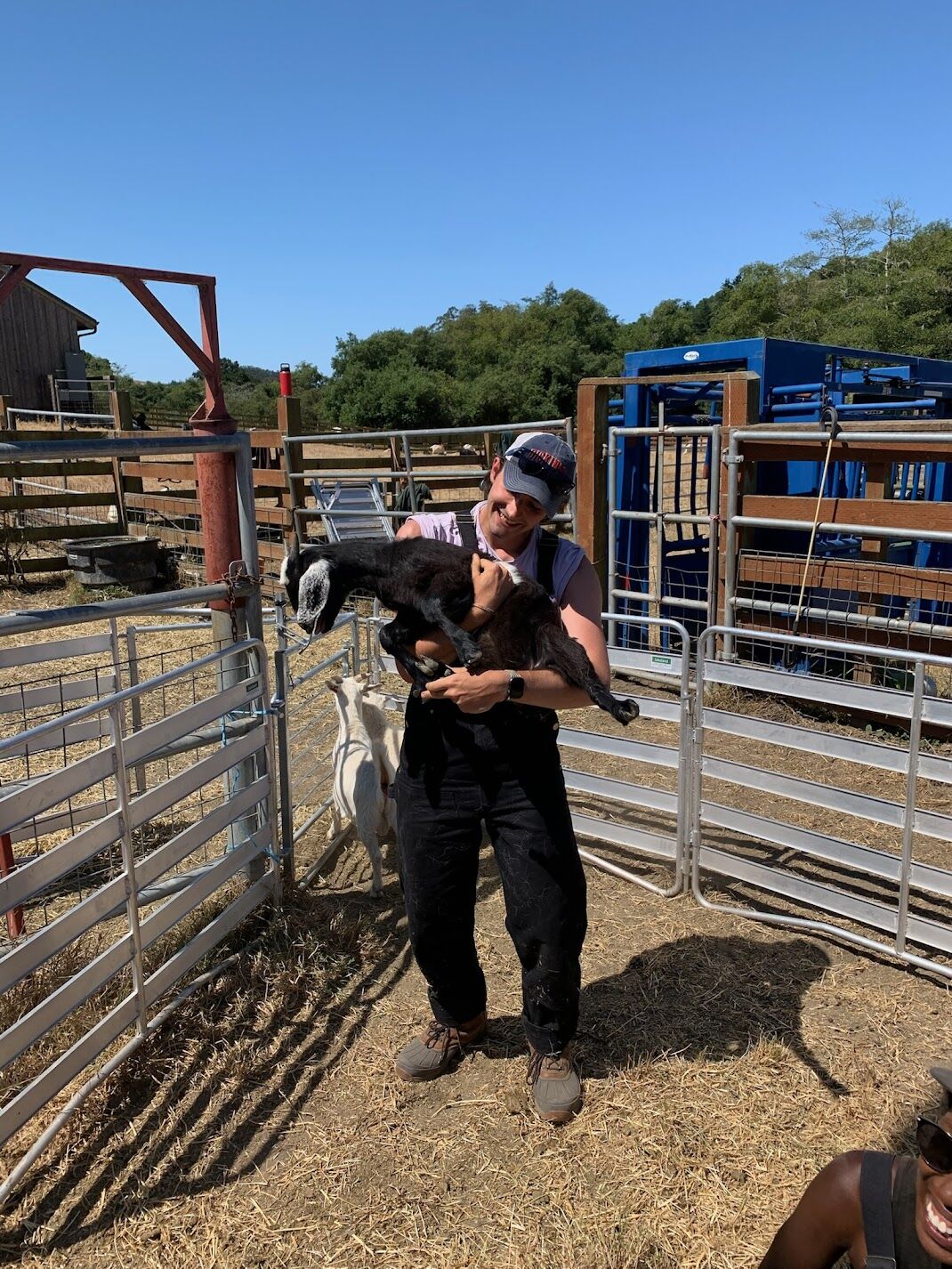
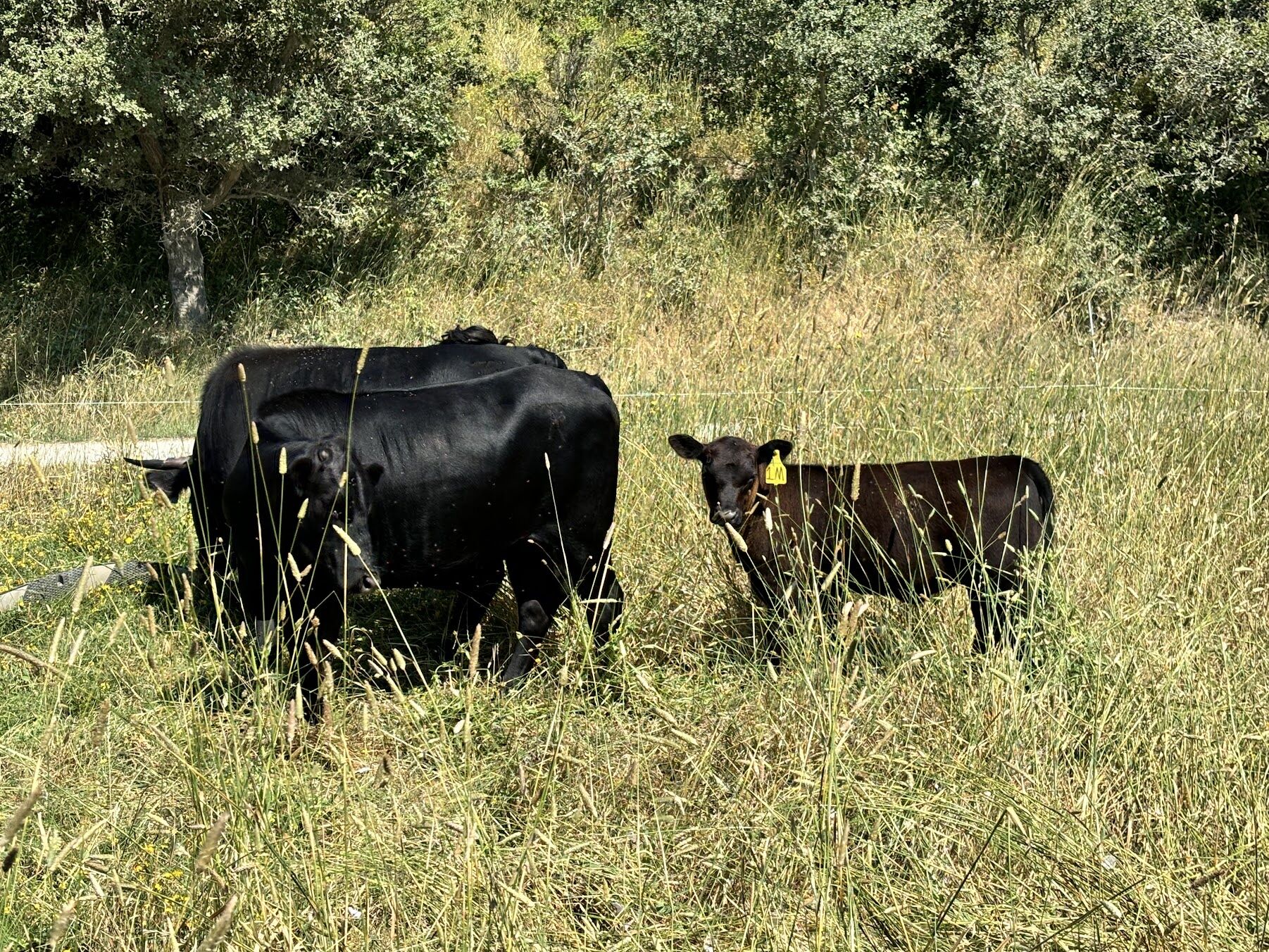
The first half of the internship moved through regenerative-ranching, gardening, food-systems, and gathering work. I spent time with cattle and small ruminants, practiced low-stress livestock handling and ear tagging, observed grazing and land-management decisions, and helped with events and outreach connecting the ranch’s work to wider audiences.
Beef2Institution and resource research
My project work included developing materials for Beef2Institution and contributing to a resource database intended to make information, examples, and potential connections more usable. The work pushed me to think about the institutional relationships and market infrastructure needed to connect carefully managed ranches with schools, kitchens, restaurants, and other large buyers.
Landscape research and public interpretation
I researched willow planting as a tool for rebuilding eroded creek areas and developed tour talking points for audiences with different levels of familiarity with regenerative agriculture. Translating the same landscape for different visitors required deciding what context they needed, which details would make the work tangible, and how to explain ecological relationships without flattening their complexity.
A self-directed article
In addition to my assigned projects, I chose to research and write ‘Ode to Goat Meat.’ The article grew from my work with the small-ruminant team and explored how goats can contribute to vegetation management, make use of difficult terrain, meet culturally important demand, and offer another source of ranch revenue—while recognizing that they are not appropriate for every operation.
Notes from this time
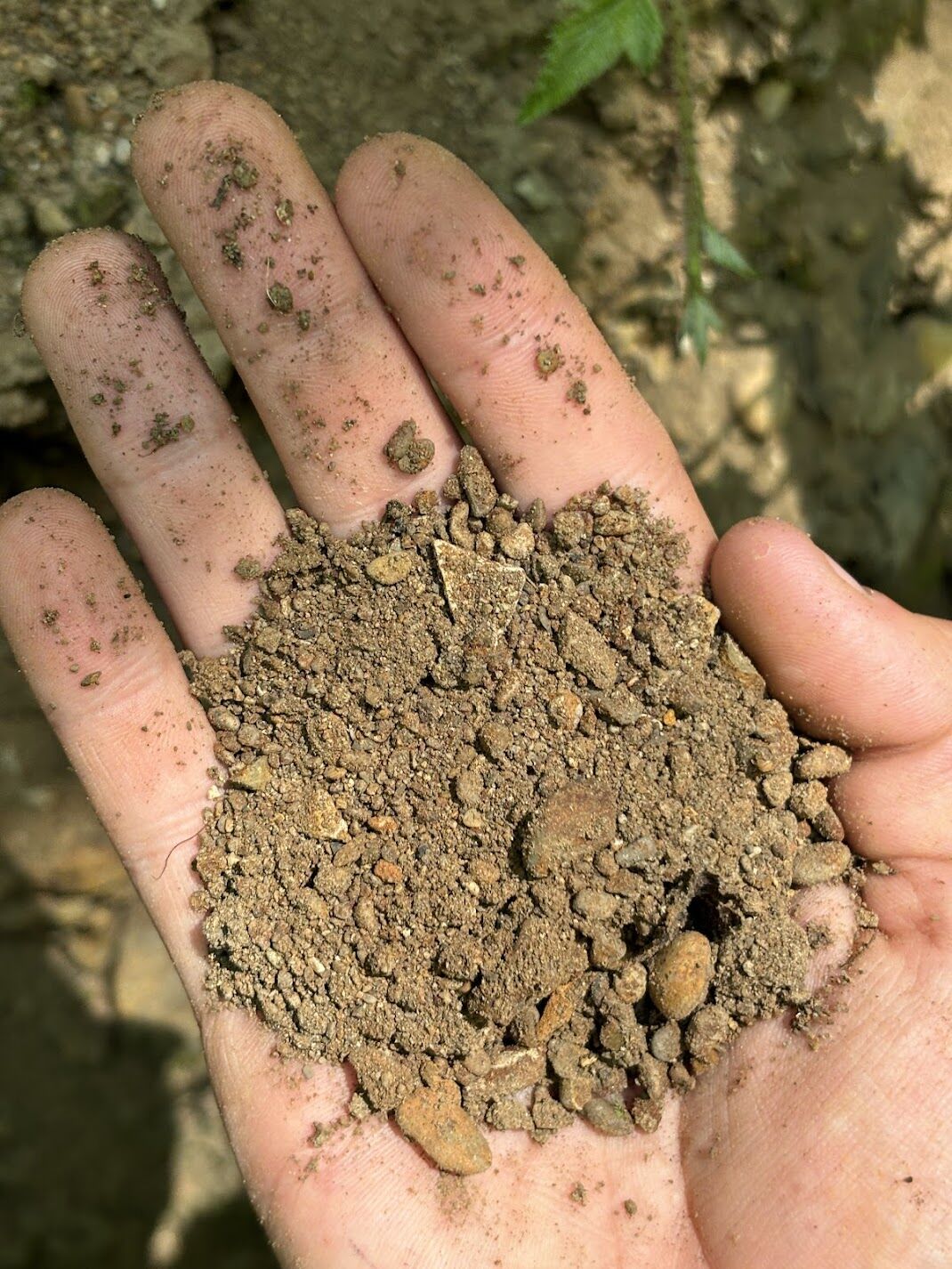
The ranch was my introduction to regenerative agriculture as a working system rather than a set of principles. I learned low-stress livestock handling and ear tagging, observed grazing practices, and saw how soil, plants, animals, and business decisions continually affect one another.
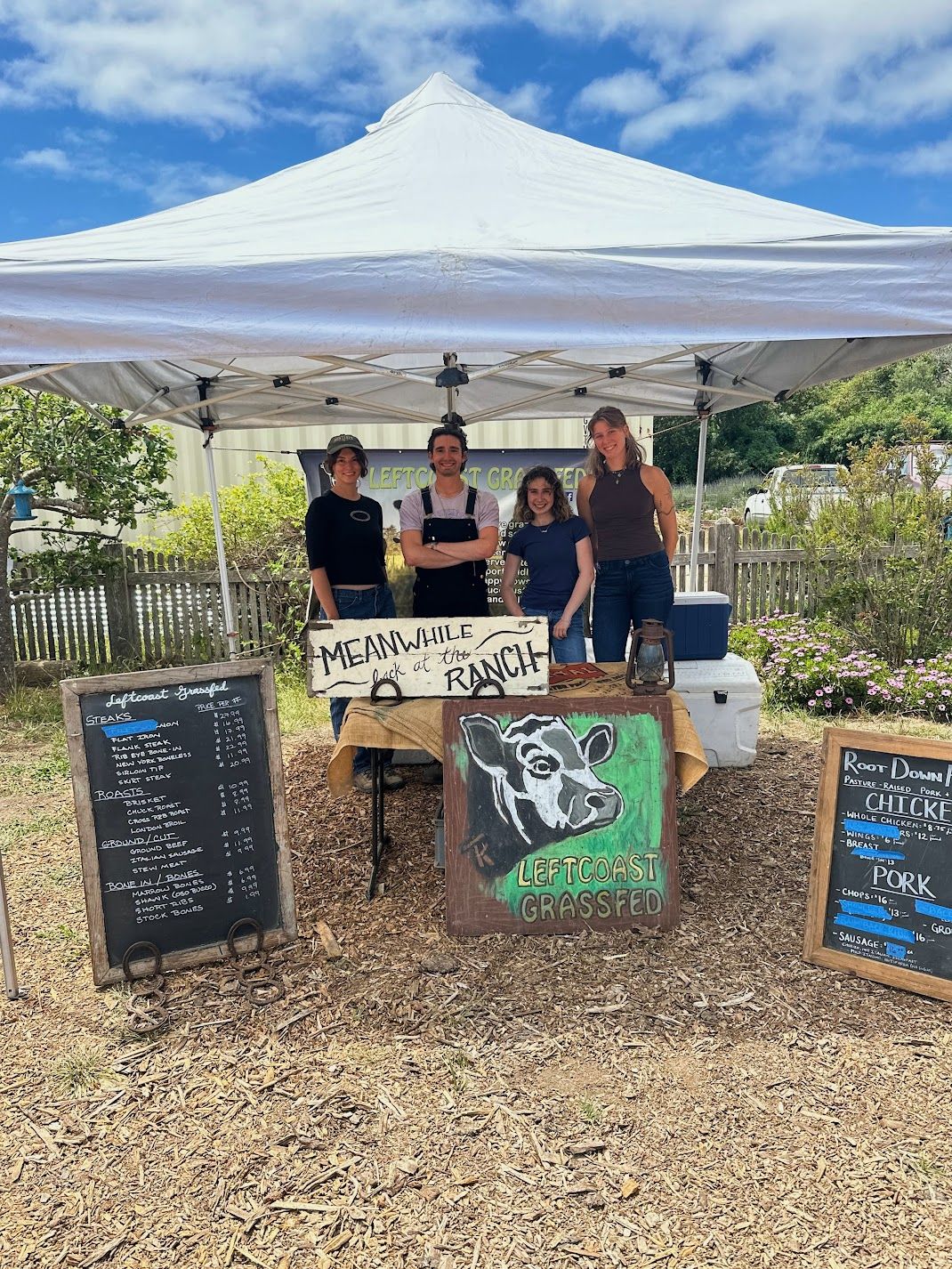
The Fork to Farm work stayed with me in a different way. Connecting producers with institutions, kitchens, restaurants, and consumers is its own form of infrastructure. A well-managed landscape still needs a market, and a strong market can help make careful stewardship economically possible.
Published writingOde to Goat MeatA reported piece on the cultural demand, ecological role, and market potential of goats within regenerative ranching.
↗Organization references
TomKat Ranch Educational Foundation ↗Photos from this time
Scenes and details.