I manage four programs that help farmers and food businesses access markets, training, and practical support. That means working directly with business owners, organizing resources and events, coordinating with partners, and keeping track of what the programs are accomplishing. Through these programs, I see firsthand the challenges and successes of emerging farmers and food businesses, and help connect them with the resources they need to get off the ground and grow.
Open this chapter →Agricultural Institute of Marin · 2025—NowFood systems · Sustainability · Art
I want to make a difference in the sustainability of our food system.
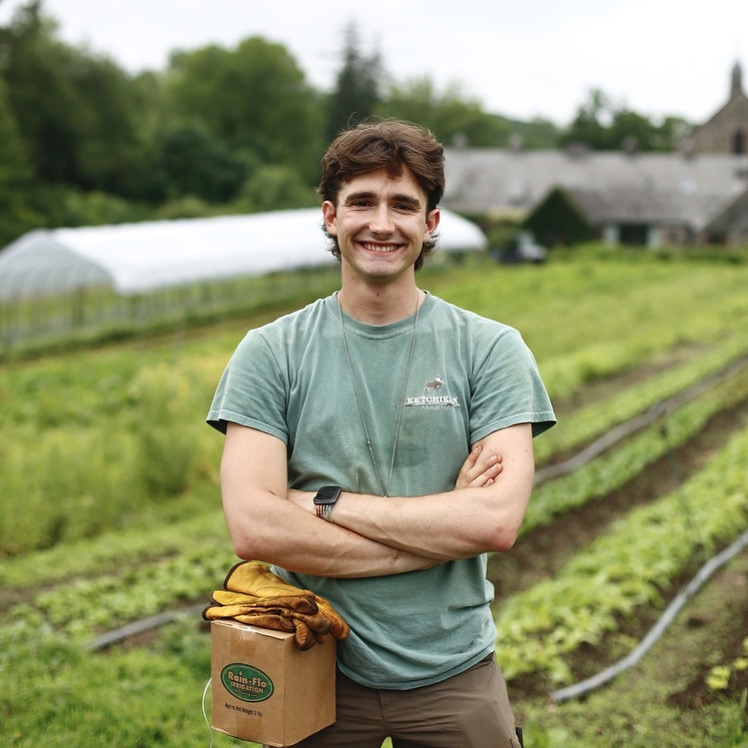
My name is Jack Towers. I currently work with farmers and food businesses in Northern California, helping them navigate the practical challenges of growing their businesses and selling at farmers markets. Before that, I worked on a farm, researched regenerative agriculture and institutional food procurement, and trained in culinary arts. This site brings together my professional work with things I'm thinking about and creating in my free time.
01 / Practice
My work so far
I've studied agricultural policy, worked on farms and in kitchens, and now run programs supporting farmers and food businesses. Each experience has changed and expanded how I think about the people and systems behind our food, especially how those systems intersect.
Fieldwork
A season at Stone Barns
I worked in the fields and greenhouse, planting, caring for, and harvesting crops. I also kept production records and helped prepare harvests for the farm’s culinary and research programs. It gave me a much closer view of the daily work behind growing food, including the long days in the field.
Open this chapter →Stone Barns Center · 2025Ranch internship
Learning across TomKat Ranch
I spent the first part of my internship working with the ranching, gardening, food systems, and events teams, seeing how different parts of a working ranch and ecosystem fit together. Later, I focused on research and the relationships between producers and institutional buyers, working on several projects that supported regenerative agriculture and helped build those connections.
Open this chapter →TomKat Ranch Educational Foundation · 2024My honors thesis examines the scientific, economic, and policy case for transitioning American agriculture toward regenerative practices, from the Farm Bill to state-level finance and implementation.
Open this chapter →Harvard College · 2021—2025Programs and community
Making room for other people to enter the work
I founded a first-year climate program, produced food-system events, advised students, and worked on programs that made complex subjects more approachable and collaborative.
Open this chapter →Harvard and community programs · 2022—202502 / Ideas
What I'm thinking about
Writing, reflections, and research on food, agriculture, and the questions I'm still working through.
Research · Featured
The Fourth Agricultural Revolution
What would it take for US agricultural policy to support a transition toward regenerative practices?
A review of the evidence, the limits of current policy, and the financing and institutional changes needed to make agricultural transition durable and equitable.
Read the complete thesis ↓Short reflection · August 2026
Regional food systems are resilience infrastructure.
Food safety outbreaks and climate disasters reveal the same underlying vulnerability: distance can obscure the land, labor, and institutions supporting what we eat.
Read the reflection →03 / Images
Making room for creativity
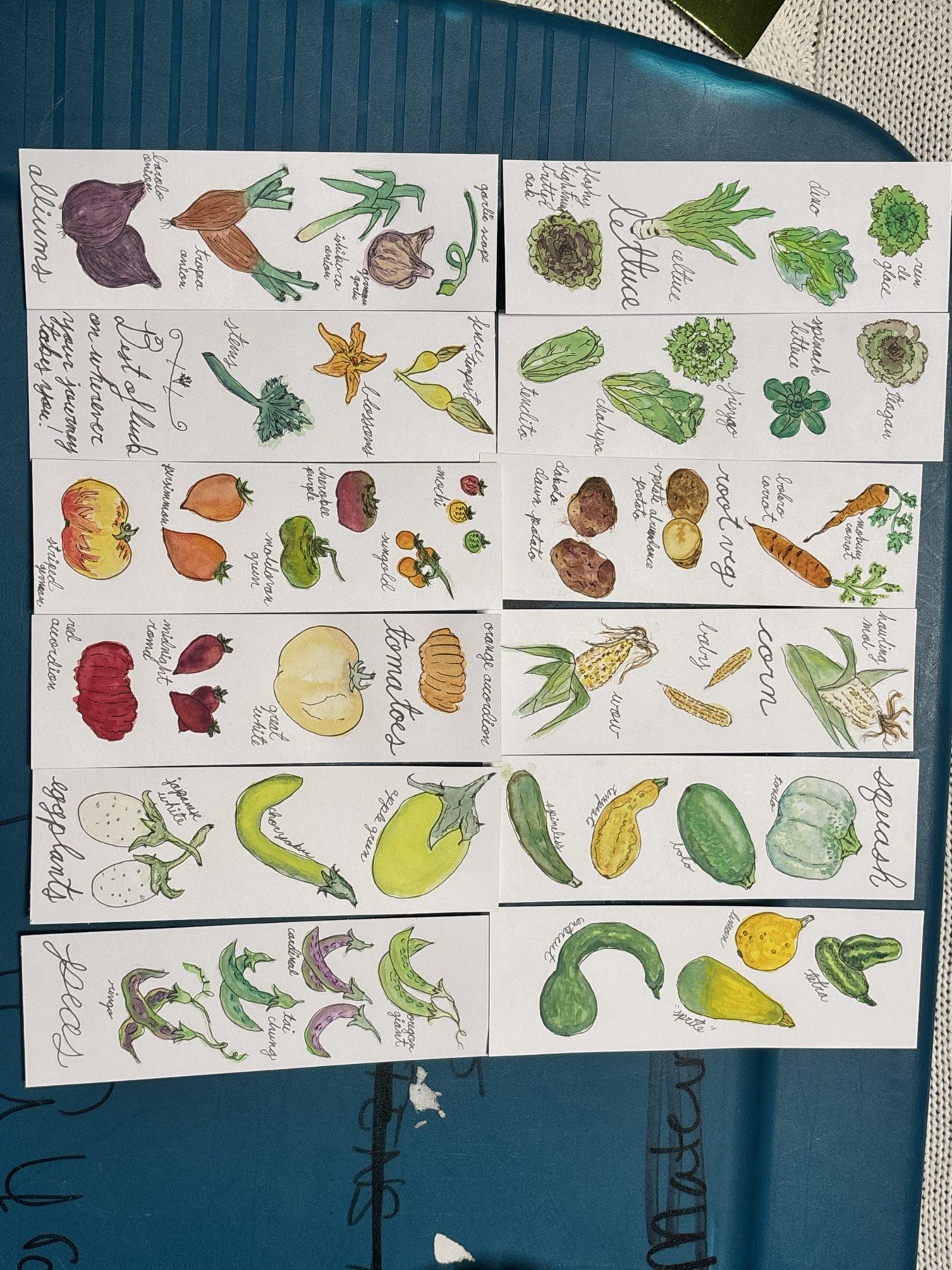
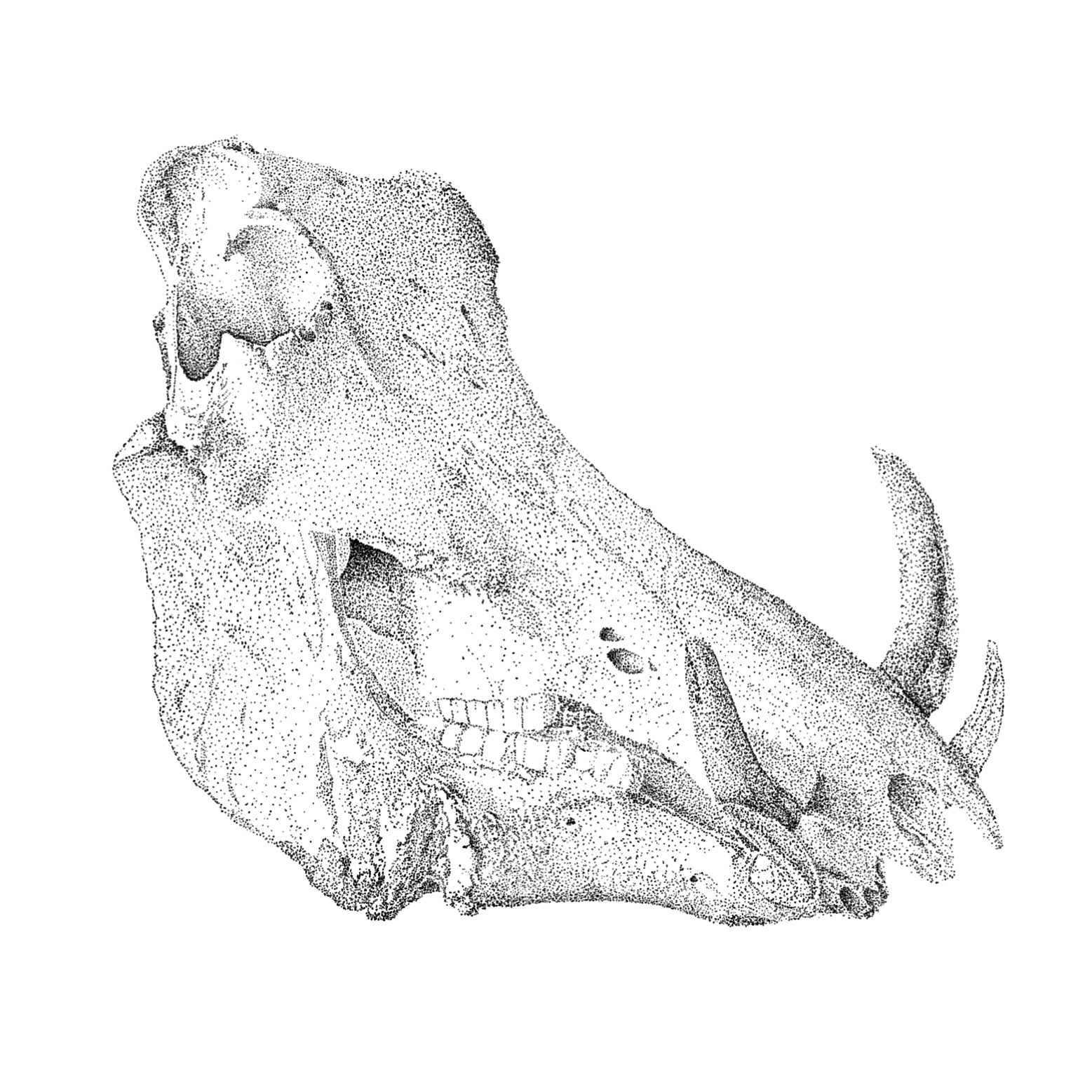
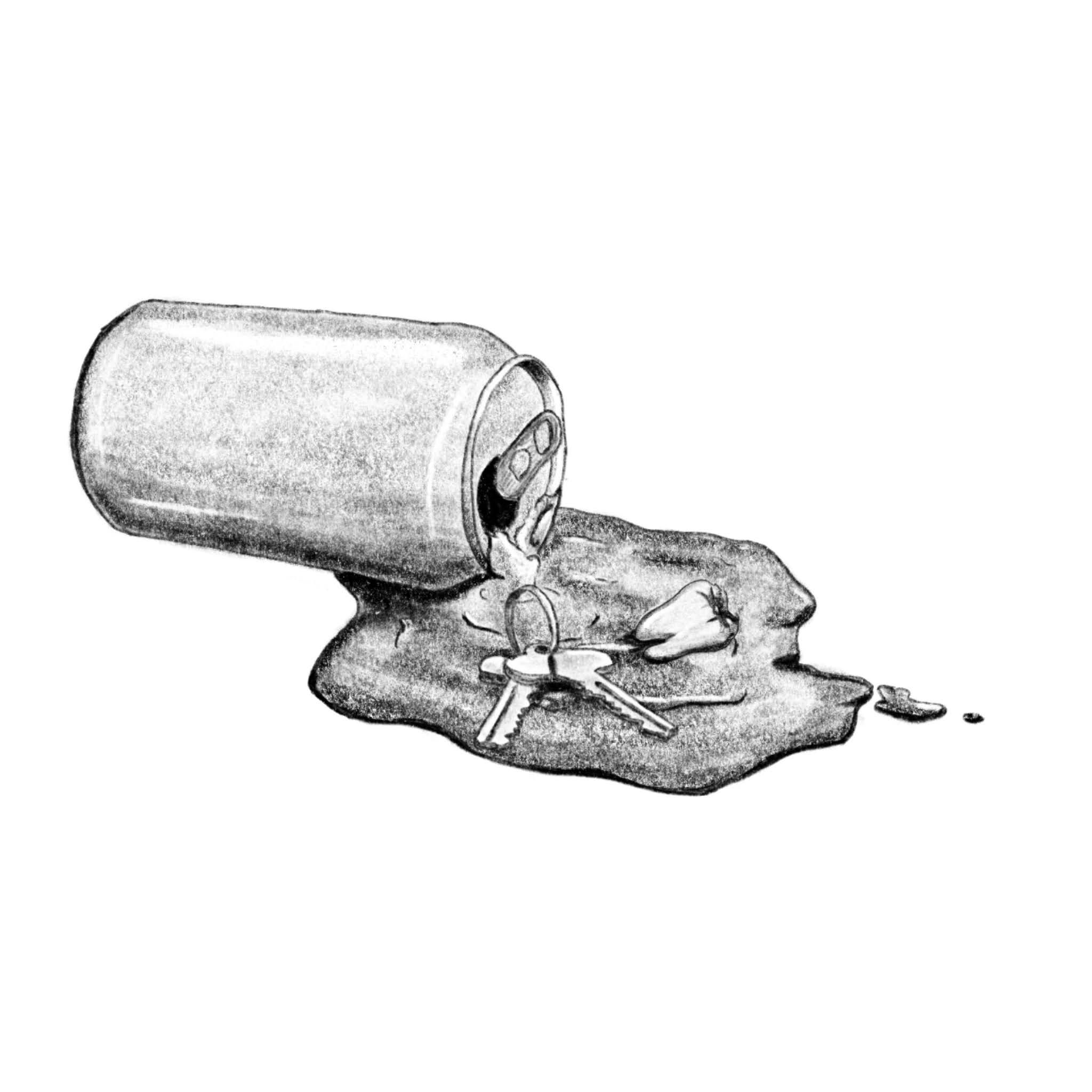
I try to engage the creative side of my brain as much as I can in my free time, experimenting with different mediums and styles to see what I can create, usually drawing inspiration from nature.
04 / About
Food has been part of my life for as long as I can remember.
I grew up around my parents' restaurant, cooking with my family, and carrying vegetables from our garden into the kitchen. Those experiences taught me that food is personal and creative, but they also made me curious about the much larger systems behind what we eat.
At Harvard, I studied environmental policy and biology, focusing much of my research on regenerative agriculture and areas for improvement in the sustainability of the food system. I've also trained in culinary arts, worked on farms, and now support farmers and food entrepreneurs through my role at AIM. Seeing food from many different perspectives has made me more interested in the practical choices and constraints behind it, and identifying what needs to happen to make those choices easier.
When I'm working through a complicated project, I usually find it helpful to spread it out on paper or a whiteboard. It helps me visually map out what connects, what's missing, and what needs to happen next. I use that habit whenever I'm planning a program, researching a question, writing, or making art.
CurrentlySan Francisco; visiting Boston monthly and planning to relocate there
StudiedEnvironmental policy, biology & culinary arts
Also interested inCooking, climbing, visual art & the outdoors